The 2020 pandemic accelerated a digital transformation process that had already been underway to varying degrees across all organizations. Remote work allowed many companies to keep operating and maintain productivity — but not all of them equally.
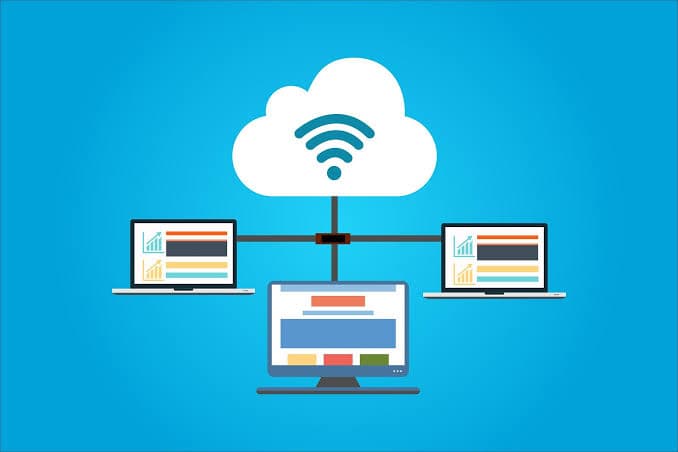
When strict lockdowns were announced, companies running their systems in the cloud didn't have to do anything special. They simply shifted from working in their offices to working from home, with the same fluidity as always. That difference was decisive for many businesses.
The cloud is no longer a risky bet
Ten years ago, running an ERP in the cloud was costly and uncertain. Advances in telecommunications have completely changed that: today cloud services are more stable, more secure and cheaper than ever — and the trend keeps improving.
This translates into an opportunity where everyone wins: costs go down, productivity goes up, software vendors can respond faster, and clients can focus on their business instead of their infrastructure.
The four concrete advantages of cloud ERP
1. Real scalability
Cloud infrastructure dynamically adjusts to the team's workload and the number of active users. You don't pay for idle capacity, and you don't run short during peak activity periods.
2. Lower operational risk
The provider takes care of data security using licensed software with dedicated use and multiple hardware and software firewalls. Backup policies and contingency mechanisms for failures are fully outsourced.
3. Lower infrastructure costs
No large upfront investment in your own servers, and no ongoing costs associated with maintaining infrastructure. Resources adjust dynamically based on demand and you pay only for what you use.
4. Real productivity gains
The system is accessible from anywhere, at any time, from any device. All you need is an internet connection. This improves mobility, reduces dependence on a physical office and allows you to respond faster.
On-premise vs. Cloud: the comparison
CAPEX vs. OPEX: a strategic shift
The SaaS model — where you pay a monthly fee for use of the service — converts a capital expenditure (CAPEX) into an operating expenditure (OPEX). This makes costs easier to manage, adjust and predict, especially valuable for businesses navigating growth or economic uncertainty.
More than 90% of ACQUA ERP clients operate in the cloud and have experienced these benefits firsthand. The transition to cloud isn't the future — it's the present of business management.
ACQUA ERP: 100% web, available in the cloud
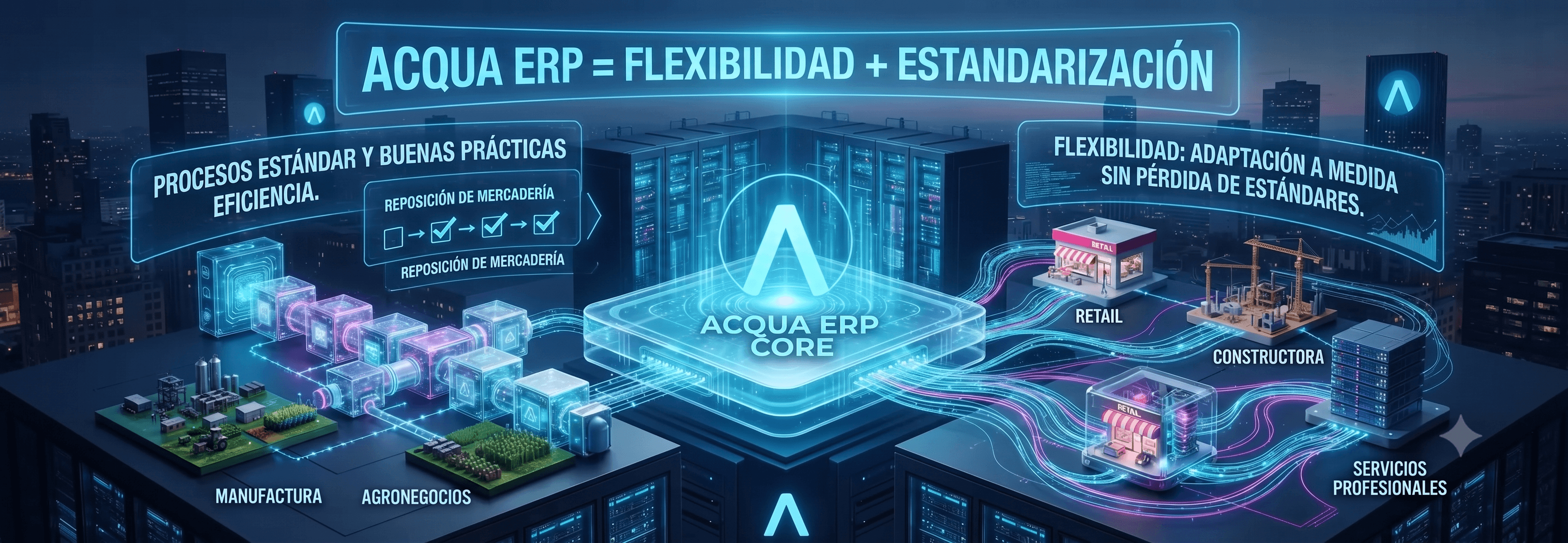
ACQUA ERP is a 100% web product, available in the cloud under the Software as a Service (SaaS) model. It requires no installation on individual devices, doesn't depend on a physical server at your company, and runs from any modern browser.
We're proud to be part of the digital transformation reshaping the business world — bringing technological advantages to our clients so they can grow their operations and deliver better services.